Family & Legacy Planning · 13 November 2026 · 5 min read
The Architecture of Succession: Modernising the Multi-Generational Enterprise
Succession is not a single inheritance event; it is the structural separation of family emotion from enterprise capital allocation.
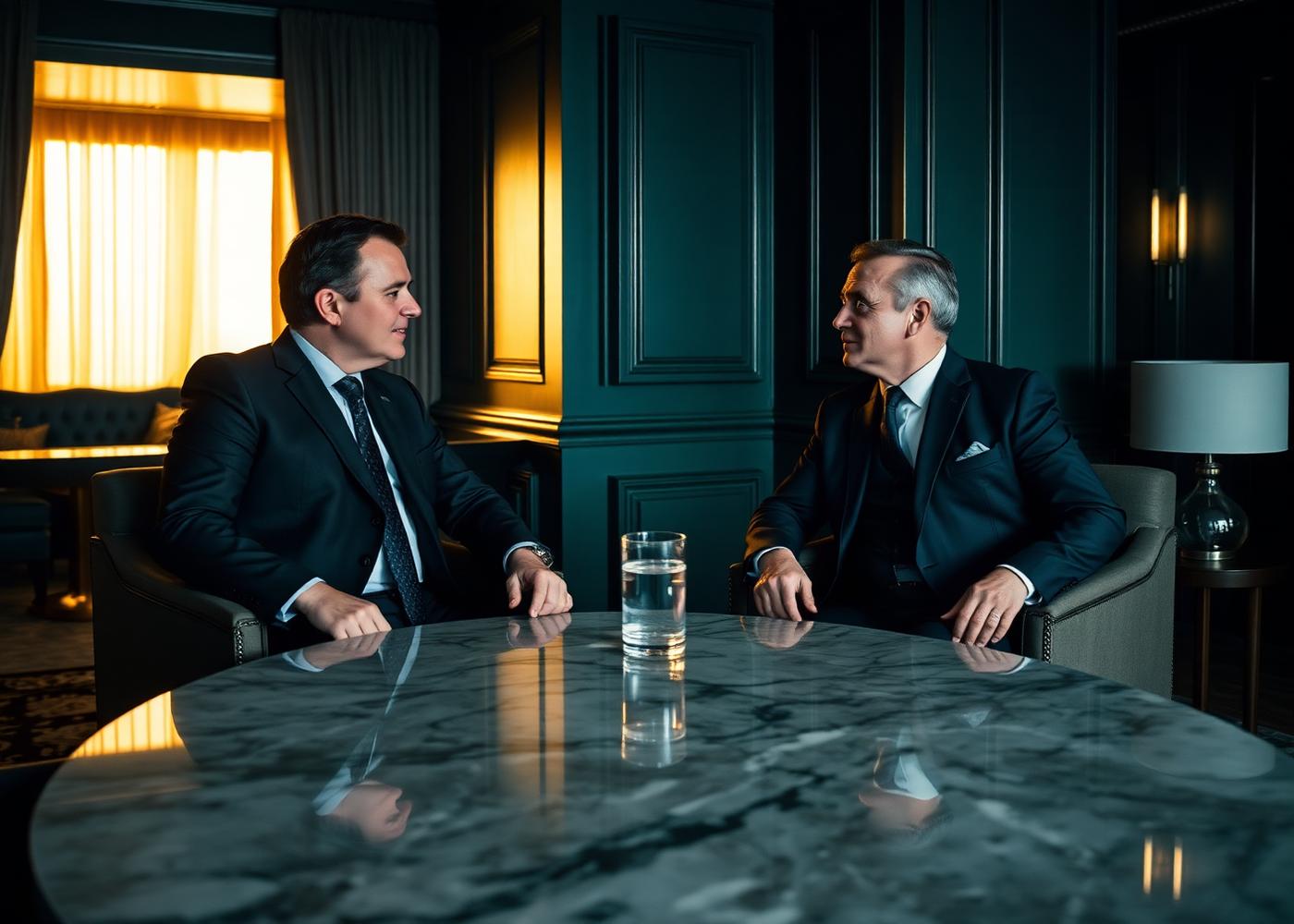
The Inevitability of Generational Friction
Family-owned enterprises remain the foundation of commercial wealth across London, the Gulf, and South Asia. Yet the structural survival rate past the third generation remains notoriously fragile. The failure mode is almost never commercial inadequacy; it is governance collapse. The very qualities that allow a patriarch or matriarch to build a dominant conglomerate—centralised control, autocratic decision-making, and intuitive risk assessment—become existential vulnerabilities during generational transfer.
As businesses mature, the complexity of the asset base expands while the family tree multiplies. Cousins, siblings, and in-laws bring divergent liquidity needs, risk appetites, and professional qualifications. Attempting to manage a modern industrial or trading enterprise through informal dinner-table discussions is an invitation to value destruction. Modernising the family firm requires erecting clear, inviolable legal and structural boundaries between ownership, governance, and management.
Separating the Operating Company from the Family Council
The most important governance step a multi-generational business can take is disentangling the operational board from the family council. They serve fundamentally different masters. The operating board exists to preserve and grow corporate equity, accountable to all shareholders through rigorous fiduciary duties. The family council exists to manage family harmony, philanthropic initiatives, and educational pathways for rising generations.
When family dynamics infect the boardroom, commercial decisions become proxies for personal grievances. A poor capital expenditure decision cannot be challenged because it was proposed by an elder sibling; an underperforming business unit cannot be divested because it was founded by an uncle forty years prior.
Professionalising the enterprise requires establishing distinct jurisdictions:
- Create a formal Family Constitution defining who can work in the business, under what market-tested conditions, and how family disputes are arbitrated.
- Introduce independent non-executive directors to the operating board who possess the authority to outvote family members on capital allocation.
- Establish an explicit dividend distribution policy, balancing the wealth preservation needs of passive family shareholders with the capital reinvestment requirements of the business.
- Create a Family Office separate from operational overheads to manage liquid wealth, private direct investments, and generational estate structures.
By codifying these distinctions in formal legal agreements, the enterprise protects itself from emotional volatility and allows commercial leadership to be judged on return on invested capital rather than lineage.
The Meritocracy Charter for the Rising Generation
One of the most destructive conventions in family business is the assumed right of the next generation to step directly into executive suites. Hereditary succession in operations routinely alienates talented external executives and places immense psychological and financial pressure on ill-suited descendants.
A robust governance framework eliminates entitlement through rigorous entry prerequisites. If a rising family member wishes to join the operating business, the baseline requirements should be uncompromised: an advanced degree in a relevant discipline, a minimum of five years of documented success working in an independent enterprise without family ties, and an open market vacancy assessed by an independent remuneration committee.
Equally vital is creating dignified, value-accretive off-ramps for family members who lack the desire or capacity to manage operating assets. Passive ownership must be separated from management authority. A family member can be an intelligent, well-informed steward of equity through a holding company structure without holding an operational title. Clarifying that ownership does not confer an office removes deep operational tensions before they metastasise.
Modernising the Balance Sheet and Systems
Generational transitions provide a unique opportunity to modernise antiquated operating practices. First- and second-generation businesses often suffer from complex, opaque holding structures designed decades ago for tax considerations that are no longer relevant in an era of global regulatory transparency.
The successor generation must oversee the transition from proprietary, siloed operational knowledge to enterprise software architectures, institutional risk auditing, and international reporting standards. This modernising programme often demands significant capital expenditure, replacing legacy systems with institutional infrastructure capable of supporting cross-border acquisitions or joint ventures.
This modernisation extends to the balance sheet. Many historical family firms run with extreme positions—either entirely averse to conservative leverage, thereby stifling growth, or over-extended via informal personal guarantees across diverse subsidiaries. Ring-fencing liabilities, eliminating cross-collateralisation, and implementing professional treasury controls protect the wider family wealth from localised operational shocks.
The Psychological Shift of Stewardship
Succession is fundamentally a psychological transformation for both generations. The outgoing leadership must confront their own mortality and reconcile with the loss of daily identity; the incoming leadership must balance deep respect for the legacy with the courage to dismantle obsolete business practices.
This transition cannot be accomplished in a single quarter. It requires an overlapping three- to five-year runway where executive authority is transferred systematically, metric by metric, until the founder steps back entirely to a board-level advisory role. True legacy is not preserved by freezing the business in the historical image of its creator, but by endowing it with the institutional integrity to outlive them.